Book Review III: The Forgotten Slave Trade
They didn't lie to us by by withholding information. They lied to us by piling on lots and lots of information so that we became numb by it.
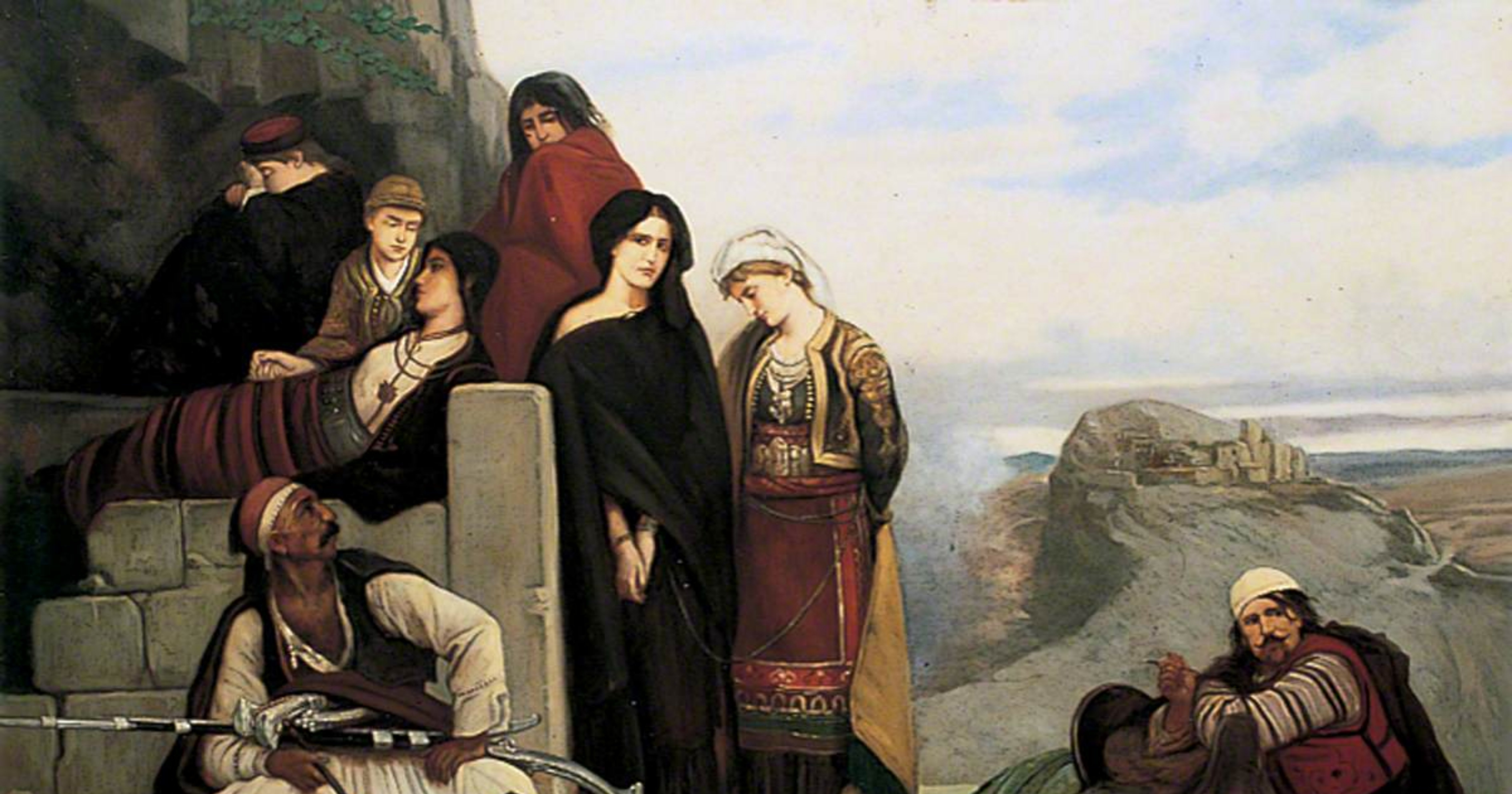
Portraying the enslavement of Africans by white people as the chief type of slavery in the world’s history though has led many young white people to feel guilty and promoted a mentality of victimhood among a lot of black people.
I first encountered The Forgotten Slave Trade when a friend of mine couldn't believed I hadn't known about the enslavement of white Europeans to Africa. For pretty much my entire life, I and everyone I had known around me always thought it was the other way around. "Slaves" connotates African. "Master" connotates White Man. After reading Webb's collective stories of a "forgotten" slave trade, I understood that there is indeed a whole set of recent history that has been completely wiped off the common conscience of the Western Man - a man who is eternally guilty and persecuted for something he did not do and for something who's other ancestors did to his.
The annual event of St Patrick’s Day celebrates the life of a boy who was seized from his own country and carried off into captivity; St Patrick was of course an English slave. According to tradition Ireland’s other patron saint, Saint Brigid of Kildare, was the daughter of a slave (Joyce, 1911).
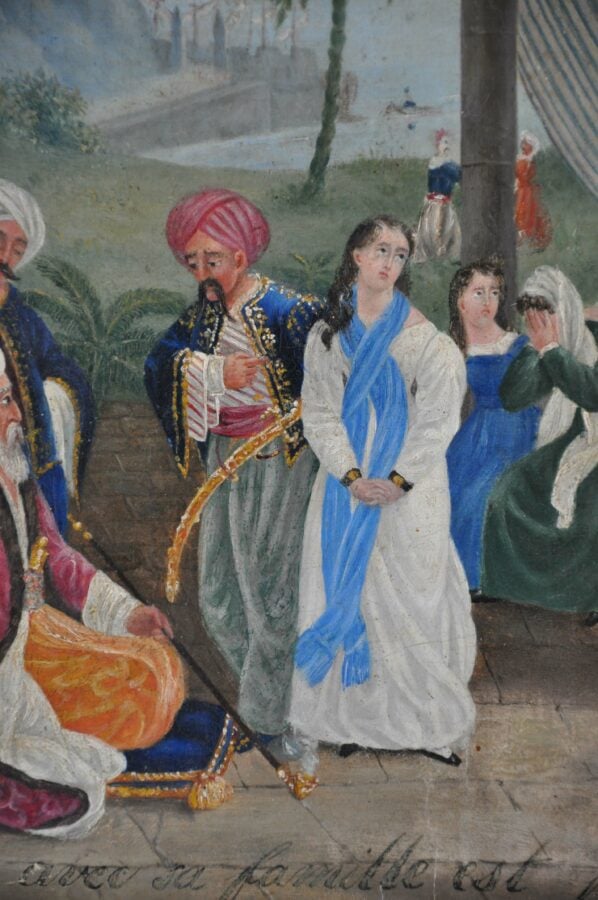
It was at one time a story known to every schoolchild in Britain. The Venerable Bede, an ecclesiastical historian of the Anglo-Saxon period, related how in the late sixth century Pope Gregory passed a market in Rome where he noticed some beautiful children for sale. On enquiring their nationality, he was told that they were Angles, meaning that they came from what is now England. He made a witty pun, saying ‘Non Angli sed Angeli’; not Angles, but angels. It was after telling this anecdote that Bede began referring to the inhabitants of the southern part of Britain as ‘English’, the first recognition that the disparate collection of Saxons, Jutes and so on who had settled among the Romanised Britons might actually have a national identity of their own.
Webb goes into great depths into the monstrous cruelty of the Barbary Slave States and how Europeans as far as Iceland were raided and taken to Africa as slaves. He then extends the history to the introduction of American naval power in ending the slave trade. Political power of colonisation, resource management and economic enrichment all balanced into the power surrounding the slave trade.
whole purpose of imperialism, taking over and colonizing the land of others, so that Britain would benefit. From this perspective, there would have been little advantage to seizing North Africa. There were no natural resources, nothing to exploit and, worst of all, it would put Britain on a collision course with the Ottoman Empire, of which the Barbary States were, at least nominally, provinces.
Why wasn’t the British army simply sent to North Africa and ordered to invade and occupy Algiers and add it to the various other overseas possessions of the nascent empire? The reason is simple. The British Empire grew by acquiring territory or colonies which would benefit and enrich the citizens of Britain. From America and the Caribbean came sugar and tobacco, India provided woven textiles, the Far East sent spices, Equatorial Africa sent ivory.
Webb ends solemnly not with a counter-black slaving narrative, to try and counter the most educated African slaving trade. Webb extends further to all modern manners of slavery.
Slavery may exist even without torture.
Slaves may be well fed and well clothed and comfortably housed, but they are still slaves if without lawful process they are deprived of their freedom by forceful restraint. We might eliminate all proof of ill treatment, overlook the starvation and beatings and other barbarous acts, but the admitted fact of slavery – compulsory uncompensated labour – would still remain. There is no such thing as benevolent slavery. Involuntary servitude, even if tempered by humane treatment, is still slavery.
The frame of the European paying the Barbary States to not raid, contrasting with the Americans who simply refused to pay and bombs the slaving ports ad hock.
The problem with that approach is that once you have paid up, there are likely to be increasingly outrageous demands for more and more money.
It is always a temptation to a rich and lazy nation, To puff and look important and to say:- ‘Though we know we should defeat you, we have not the time to meet you, We will therefore pay you cash to go away’. (Kipling, 1911)
History, as well as common sense, tell us that paying a blackmailer or somebody running a protection racket will inevitably result in demands for further and greater sums of money, if once we give in.
Now if you are going to adopt a tough line in matters of this kind, then you really should do it before you hand over any money. This is what the British did, proving first to the Barbary States that Britain was able and willing to launch punitive raids on their cities should the need arise.
One big difference about the world 250 years ago is that things happened in those days at a much more leisurely pace than is now the case.
Writing as early as 1784, Jefferson had expressed his views as follows; The question is whether their peace or war will be cheapest? But is it a question which should be addressed to our Honor as well as our Avarice? Nor does it respect us as to these pyrates only, but as to the nations of Europe. If we wish our commerce to be free and uninsulted, we must let these nations see that we have an energy which at present they disbelieve. The low opinion they entertain of our powers cannot fail to involve us soon in a naval war.
‘Millions for defence, but not one cent for tribute’,